
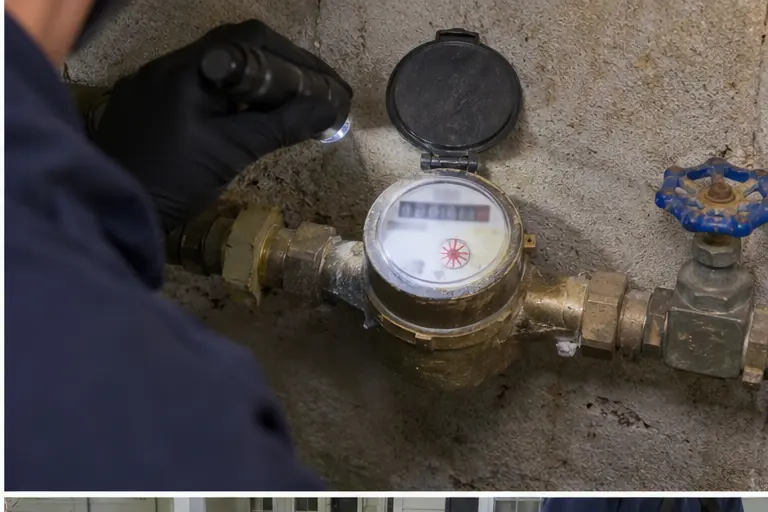
High Water Bill Leak Detection Chicopee Owners Can Trust
High water bill leak detection in Chicopee tracks down where the extra water is going. We test the meter, every toilet and fixture, the heating system fill and the line from the street, then give you a written report you can use for repairs and for any bill review with the water department.
This service is for owners and landlords who opened a bill and found a number that does not match their habits. When you call, we ask about the bill and your meter, quote a price range, and set the earliest visit that fits your schedule so the waste stops quickly.
What High Water Bill Leak Detection Includes in Chicopee
A big bill has a cause, and finding it is a matter of testing the right things in the right order. Here is what the visit covers, and how each check narrows down the source of the missing water.
- Meter test and toilet dye tests: We read the meter with all water off to see whether it moves, then drop dye in every toilet tank. A silent flapper leak shows color in the bowl within about fifteen minutes.
- Fixture, boiler and water heater checks: We shut fixtures one at a time and inspect the boiler fill valve and water heater connections, because a stuck auto fill can quietly feed water into the heating system all day.
- Spigots, irrigation and service line test: Outdoor spigots, hoses and irrigation get a look, and we test the line from the curb into the house with pressure and acoustic checks, since buried leaks often drive the biggest bills.
- Usage notes and written report: You receive a dated report that records the meter readings, the tests we ran and what we found, which you can use for repairs and for a conversation with the water department.
Why Chicopee Water Bills Jump
Running toilets cause more high bills than anything else, but they are not alone. Four other culprits show up again and again in Chicopee homes, and several of them make no noise at all, which is why a bill can double without a single drip being heard.
Boiler Auto Fill Valves
Older basements often have a boiler with an automatic fill valve. When it sticks, it keeps feeding water into a leaking loop or relief line, and the meter keeps turning without a visible puddle or any sound to warn you.
Outdoor Spigots and Hoses
A dripping spigot or a hose left connected can waste a surprising amount over a billing period. Frost damage in winter can also leave a hidden split inside the wall that only runs when the tap is opened, so the leak shows up indoors.
Service Line Leaks
The line between the curb and the house is the owner’s responsibility, as the city ordinance describes it. A leak there can run for months before a wet patch appears in the yard, especially under pavement or deep in the ground.
Sewer Charges That Follow Water
In many places sewer charges are billed by the water you use, so a leak can hit your bill twice. Ask the Chicopee Water Department how your own bill is calculated.
How We Handle High Water Bill Leak Detection Step by Step
Our process runs through five steps, taking you from a confusing bill to a clear answer. We start with the cheapest and most common causes, so you do not pay for deep testing before the simple suspects are cleared, and each test explains the next one in line.
- Read the meter with all water off: We close every tap and appliance, then watch the dial and low flow indicator, which proves whether water is leaving the house, and how fast it is leaving each minute.
- Dye test every toilet: Color in the tank shows silent leaks into the bowl, usually the top cause of a bill that doubles, and a quick tank fix often ends the problem.
- Shut fixtures and check the heating fill: We isolate fixtures one by one and inspect the boiler fill valve, until the meter stops moving, which tells us exactly which fixture or system is responsible.
- Test the service line: If the meter still turns, pressure and acoustic checks find a leak between the curb and the house, even one buried deep under the lawn or the driveway.
- Report with readings: You get meter readings, test results and the leak location in writing for repairs, for your plumber and for any bill review with the city.
Leaks That Cause High Water Bills
- Running and silent toilets: These top the list. A flapper that does not seal lets water trickle into the bowl all day, which you may never hear but always pay for, month after month.
- Dripping faucets and shower valves: A drip of one gallon an hour adds up to hundreds of gallons a month, and shower valves can leak into the wall unseen, damaging the framing as they waste water.
- Boiler fill valves: A stuck valve feeds water into the heating loop continuously, especially when a small leak elsewhere keeps pressure low and the valve open all day.
- Softener, filter and outdoor leaks: Water softener backwash cycles, filters, spigots and hoses can all run longer than they should and inflate usage, sometimes by hundreds of gallons in a single week.
- Service line and meter issues: A buried service leak or a failing meter can change the bill without any fixture at fault, and a pressure test tells us which one it is, saving you from replacing parts that were never at fault.
How Much Does High Water Bill Leak Detection Cost in Chicopee?
A high water bill leak check in Chicopee usually runs about $150 to $350, and most of the time the fix is a simple toilet or valve repair. The phone quote is free, and the price is fixed after we see your setup and your meter, and before any work starts.
| Bill check | Typical range |
|---|---|
| Toilets, fixtures and meter test | About $150 to $250 |
| Plus boiler fill and spigot checks | About $200 to $300 |
| Plus service line pressure test | About $250 to $350 |
| After hours visit surcharge | Add about $100 to $250 |
How many toilets and fixtures there are, whether the service line needs testing, how easy the meter is to reach and the hour you call all shape the price. Because the cause is often simple, the visit usually pays for itself fast. A leak that adds sixty dollars a month is paid back in a single billing cycle or two. If we find nothing, we tell you honestly and suggest what to watch next.
Can You Get a Chicopee Water Bill Adjusted After a Leak?
In some cases the city ordinance allows bill abatements after a leak, and the Water Commissioner decides them. Ask the Chicopee Water Department about current rules and forms, because we cannot promise any adjustment on its behalf, and each case is judged on its own facts.
- Our dated leak report with test results and the leak location
- Receipts from the repair work, showing the date the leak was fixed
- Meter readings before and after the fix, written down with the dates
- Photos of the leak and the repair, taken before anything is closed up
Bring these items when you ask the department what applies. A clear record makes your case easier to evaluate for the department, and it shows the problem was found and fixed promptly, which is the part the city usually wants to see. Keep copies of every page, and write down the date and time of each call to the city, which helps if questions come up later.
Recent High Water Bill Leak Detection Jobs Near Chicopee
We have solved many bill mysteries around Chicopee, from running toilets in capes to a buried line behind a three decker, and each owner left relieved to know where the water had gone. See recent examples in the photos below.
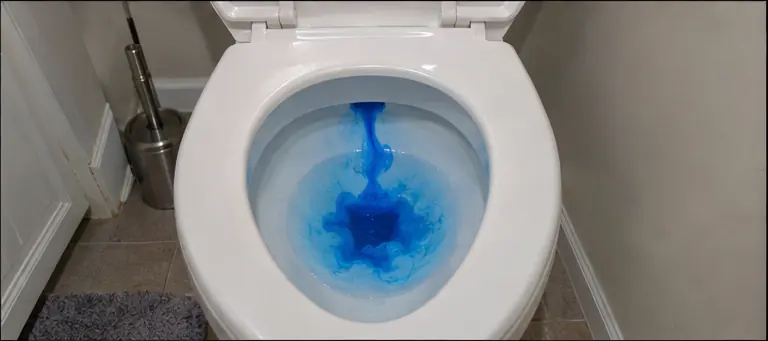
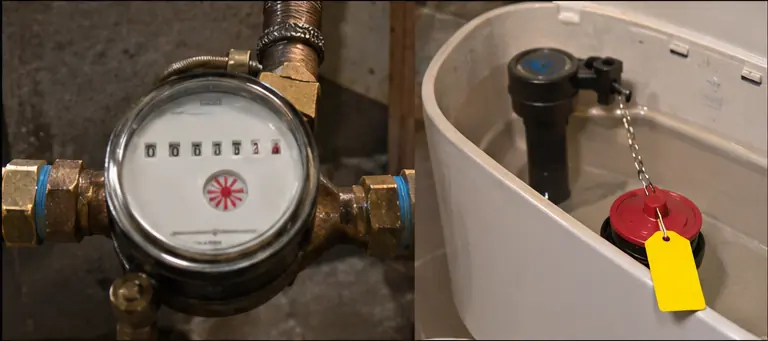
Each one ended with a written note of the cause.
Quick Checks You Can Do Before You Call
A few simple tests give us a head start, and many people find the cause themselves. These need no tools and take only a few minutes, so try them before the visit.
- Run the meter test: Turn off all water for fifteen minutes and see whether the dial or the small low flow triangle moves at all.
- Try the food coloring test: Add a few drops to each toilet tank and wait fifteen minutes without flushing, then check the bowl.
- Listen for hissing: Walk the house in silence near toilets, walls and the cellar ceiling, and listen for a faint hiss.
- Check the boiler gauge: A falling pressure reading or a fill valve that keeps running is a strong clue to a hidden leak.
- Look at the outdoor spigots: Watch for drips, wet soil or a hose left connected through the cold months.
Related Leak Services in Chicopee
Some bill problems point to leaks outside the usual fixtures. If your meter is still moving after the simple checks, one of these related services may be the next step, and we can switch tools on the same visit. We will say plainly which one is most likely, today.
- Water service line leaks under the lawn or driveway, between the curb and your cellar wall
- Pipe leaks inside walls, floors and cellar ceilings that never show a puddle
- Landlord and multi family leak checks for shared meters and several tenants
A Big Bill Is Easier to Fix Than to Ignore
Every billing cycle you wait, the waste is paid for again. A leak that adds fifty dollars a month looks small until you add it up over a year, and the hidden water can also damage soil, floors and framing. Testing early stops both costs together.
We check bills for owners in Chicopee Center, Aldenville, Sandy Hill and Smith Highlands, and for neighbors in Springfield and South Hadley. Tell us what the bill says, and we will bring the meter knowledge and the patience to find the missing water.
Water Bill Questions Answered Plainly
A surprise bill raises questions about the cause and about who pays. These short answers cover the most common ones we hear from Chicopee owners.
Most of the time a toilet is running or leaking silently. Other common causes are a boiler fill valve, a dripping outdoor spigot, or a leak on the line from the street. A meter test tells you fast if water is leaving when nothing is on.
Generally the property owner is responsible for the service pipe on their property, while the city handles its side. We locate the leak and show which side it is on.
Yes. A toilet that runs nonstop can waste hundreds of gallons a day. A simple dye test in the tank shows a silent leak in about fifteen minutes.
Yes. Our written report lists the meter readings, the tests and the leak location, so you can show the Water Department exactly what was found.
Yes. For rentals we test each unit and shared fixtures, so the report shows where the water is being used and where it is leaking.