
Pipe Leak Detection Chicopee MA Starts With Zones
Pipe leak detection in Chicopee locates leaks in copper, galvanized and plastic supply lines, including pinholes inside walls and under floors. We split the plumbing into sections, pressure test each one, then listen and scan to mark the exact spot before any repair.
This service is for homeowners and landlords with falling water pressure, wet cellar ceilings or a meter that moves when nothing is running. After you call, we ask about pipe materials and symptoms, give you a price range, and book the earliest visit that fits your day, so a small leak does not grow into a flooded floor.
What Pipe Leak Detection Includes in Chicopee
Pipes fail in small places, so the search has to be precise and organized from the start. Here is what a full pipe leak visit covers, and what each part tells us about the line that is losing water.
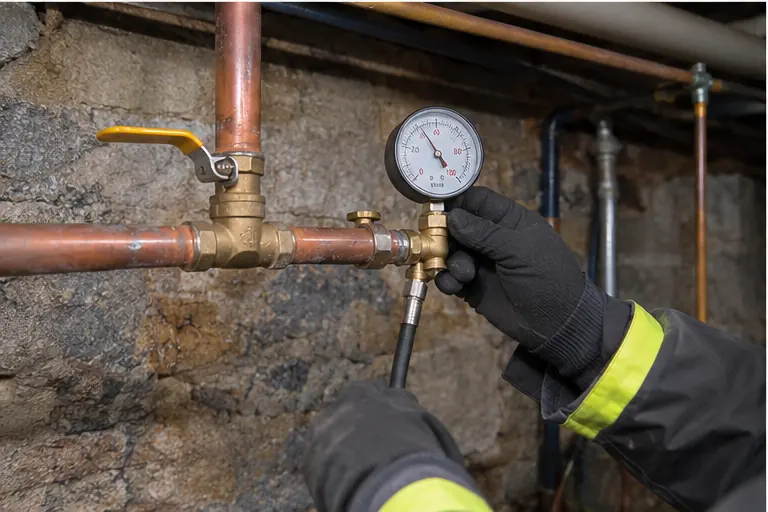
- Zone by zone pressure test: We shut valves to isolate each section of plumbing and hold a gauge on it. A zone that loses pressure is the one hiding the leak, which narrows the search dramatically before we scan anything.
- Hot and cold side checks: Hot lines wear faster than cold ones, so we test them separately and scan hot runs with a thermal camera, where a pinhole often leaves a warm trace on the wall surface.
- Acoustic listening and fitting inspection: Sensitive microphones pick up the hiss of pressurized water through floors and walls, while we also inspect shutoffs, unions and fittings that are common weak points in older systems.
- Report with pipe material and age notes: You receive a dated photo report that names the pipe material, its approximate age and the leak location, along with repair, section replacement or repipe options to compare.
Why Pipes Leak in Older Chicopee Homes
Age is the main reason, but the type of pipe and the cold basements of the valley decide how it fails. Four patterns show up in the calls we run across the city every month.
- 1940s to 1960s copper wears thin: Homes from that era often still have original copper, and decades of flowing water have thinned the walls until tiny pinholes open, especially on hot lines, near fittings and anywhere the water runs fast.
- Pre 1940 galvanized rusts inside: Older houses may still carry galvanized steel that corrodes from within, narrowing the pipe, dropping pressure and eventually leaking at the threaded joints, where rust works through first. Some homes still run galvanized lines side by side with newer copper.
- Cold cellars and crawlspaces stress joints: Winter chill in unheated basements and crawlspaces makes fittings contract and loosen, and one hard freeze can split a section that has been fine for decades. Westover alone collects nearly 50 inches of snow a season.
- Lead service lines are under review: Chicopee is building its lead service line inventory with a state planning grant, which is a reminder that the pipe from the street may be as old as the house itself, and that old lines deserve a close look.
How We Handle Pipe Leak Detection Step by Step
Our five step process is built around isolating the problem before we open anything. Each step shrinks the area that could hold the leak, and by the end one spot is all that remains.
- Meter test and phone triage: We walk you through a quick meter check and ask about pressure, noises and stains, which tells us whether the loss is on the supply side and how urgent your visit should be.
- Shut valves by zone: On site we close valves to split the plumbing into sections and note exactly which areas stop the meter when they are isolated, so the zone with the leak announces itself.
- Gauge, listen and scan: A pressure gauge on each zone shows the loser, then we listen and use thermal imaging on the failed zone to narrow the location.
- Confirm, mark and take photos: We confirm the leak with moisture readings, mark it clearly and photograph it, so any opening stays small, well placed and easy for a plumber to patch.
- Repair, replace or repipe quote: You get a report plus a spot repair, section replacement or repipe quote, or you can hand it all to your own plumber.
Pipe Materials and Leak Types We Handle
Pinhole Copper Leaks
Thin copper walls give way in tiny spots that spray a fine mist inside the wall. We find the pinhole by pressure and sound, then mark it for a quick repair or a short replacement, depending on how thin the rest of the pipe has become.
Galvanized Pipe Leaks
Rusted galvanized steel leaks at threads and along its length. We test flow and pressure as well, because these pipes often fail slowly in several places at once, and you should see the full picture first.
PEX and CPVC Fitting Leaks
Plastic pipes seldom leak mid run, but their fittings can loosen or crack. We check each connection point, crimp ring and clamp, then mark the one that is weeping so only a small section needs to be redone.
Frozen and Burst Pipes
A hard freeze splits pipes in exterior walls, garages and porches. We locate the split after the thaw and map the damage, which our frozen and burst pipe leak detection service covers in detail.
Valve and Fitting Leaks
Valve packing, shutoffs and unions drip slowly behind cabinets and in cellars. We trace the moisture to the single worn part, which is often a simple, inexpensive fix once it is found.
How Much Does Pipe Leak Detection Cost in Chicopee?
A pipe leak visit in Chicopee usually costs about $150 to $450, and a small copper repair is often added during the same trip. The phone quote costs nothing, and you hear the firm price on site before any work begins.
| Pipe situation | Typical range |
|---|---|
| One suspect line, easy access | About $150 to $300 |
| Whole house zone testing | About $250 to $450 |
| Pipes behind finished walls | About $300 to $650 |
| Evening or weekend visit | Add about $100 to $250 |
The reach of the pipe, the finish materials in the way, the number of zones and the time you call all change the figure, and a report with pipe notes takes a little longer to prepare. Whole house zone testing costs more than checking one suspect line. We walk through these on the phone so you can compare an honest range before booking. The firm number we give on site holds as long as the job does not change, and you never pay for work you did not approve. If we find more than one leak, we tell you before moving on.
Recent Pipe Leak Detection Jobs Near Chicopee
Our crew has tracked down pipe leaks all over Chicopee, from pinhole copper in Fairview ranches to galvanized runs in older cellars, and customers stayed happy because the fix was small. See some of the recent work below.
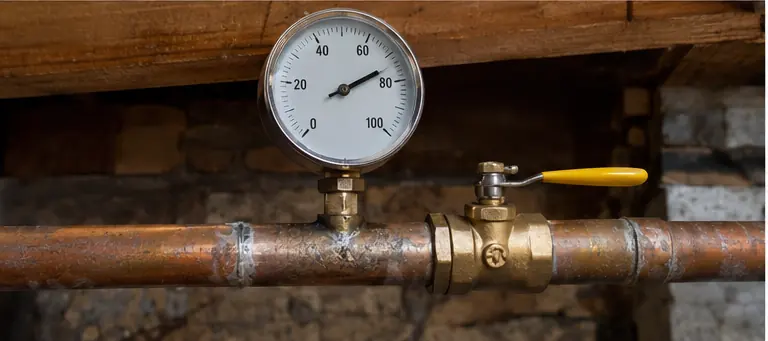
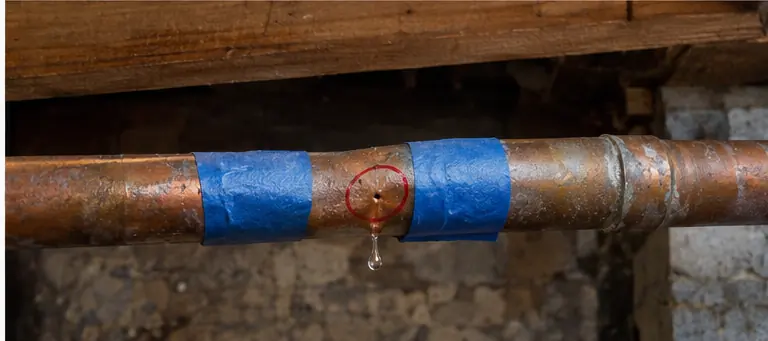
Each photo pair shows the zone test, the mark and the finished opening.
What to Do Before We Arrive
A few quick steps protect your home and speed up the visit. None of them need tools, and all of them help us start testing the minute we walk in the door. Your main shutoff matters most, so locate it before you do anything else.
- Find and test your main shutoff: It is often near the meter in the basement. Turn it clockwise to confirm it works and note how many turns it takes.
- Shut off the water heater: If the tank has emptied, switch off the fuel or power so it does not run dry.
- Move valuables clear: Lift boxes, rugs and electronics off the floor and away from wet walls or ceilings so they do not soak up water.
- Take photos for insurance: Capture stains, wet floors and the meter dial before you clean anything up, and keep the pictures with your records.
Related Leak Services in Chicopee
A leaking pipe can sit in more than one place, so we also handle the neighboring problems below. If your situation fits one, we can combine tools and cover it in a single appointment, and we always say which problem matters most.
- Burst pipe leak detection after a hard freeze in a wall, porch or garage, where splits can hide for days
- Water main and service line leaks between the street and your cellar, found with acoustic gear and a line locator
- Hidden leaks inside walls, ceilings and floors that need moisture mapping, thermal scans and careful planning
Pipes Do Not Fail on a Schedule
A pipe can look fine for forty years and fail in a week, usually at the worst time. Falling pressure, a rusty faucet stream or a damp spot on the cellar ceiling are early signals, and acting on them keeps a small repair from becoming a flooded floor.
We test pipes for homeowners in Aldenville, Chicopee Falls, Chicopee Center, Burnett Road and Fairview, and for neighbors in West Springfield and Springfield. Tell us what you see, and we bring the gauges and the experience to find the exact spot.
Pipe Leak Questions From Chicopee Homeowners
Pipe problems raise a lot of worries about cost and repiping. These short answers explain why pipes leak, when to repair, and what we check on every visit.
Over decades, water chemistry and flow wear the inside of copper until tiny holes form, often in hot lines and near fittings. Older Chicopee homes with original copper see them most.
Not always. One pinhole can be a spot repair. Several pinholes in a few years usually mean the pipe is thin everywhere, and we show you the pattern in your report.
Yes. Galvanized steel is common in pre 1940 Chicopee homes. It rusts from inside, so we check pressure and flow too, and give you repair or replacement options.
Yes. Pressure tests narrow it to one zone, then acoustic gear and thermal scans pinpoint the spot behind the wall or under the floor without opening everything.
Not unless water is actively escaping. If it is, shut the main and call right away. Otherwise leave the water on, because we need pressure to test.